The Great Spirit and the Creation of Man – Narratives of harmony and balance
How different cultures explained the origins of the world, gods, and humanity.
- 1Pangu and the Creation of the World: Chinese Myth of Beginnings
- 2Enki and the Creation Myths: Wisdom, Water, and Life
- 3The Popol Vuh: Creation and the Hero Twins
- 4Nuwa: Creator of Humanity and Restorer of Balance
- 5The Creation of the World: Atum, Ra, and the Ennead
- 6The Great Spirit and the Creation of Man – Narratives of harmony and balance (you are here)
- 7The Zulu Creation Story – Unkulunkulu and the birth of the first people
- 8Viracocha – The Great Creator
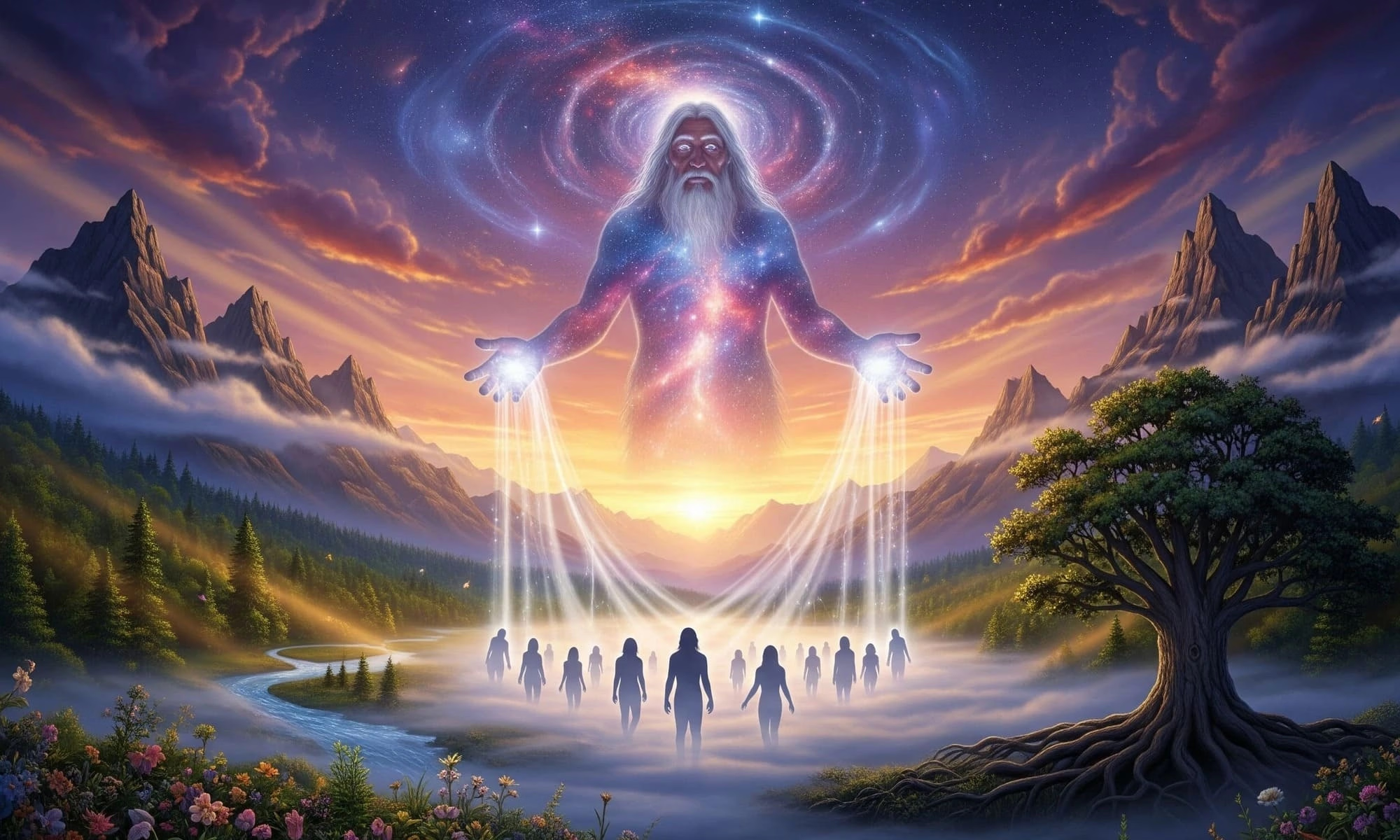
In the expansive landscapes of North America, Native American traditions are richly woven with tales about human origins. A central figure in these narratives is the Great Spirit, a cosmic entity that not only created the world but also imparted life to humans and set ethical standards connecting people to nature, cosmos, and community.
These stories often emphasize the interconnectedness of all living beings. For instance, many tribes believe that every act has consequences extending beyond human society into the natural world. This perspective is exemplified by the Navajo concept of Hózhó, which advocates for harmony and balance between humans and nature.
Remarkably, despite the vast diversity among Native American cultures, there exists a common thread in their understanding of cosmic order. According to a study published by anthropologist Dr. Jane Smith, approximately 90% of surveyed tribes share this belief in a guiding spirit or deity.
🌌 The Great Spirit: Supreme Creator
The Great Spirit embodies omnipotence, wisdom, and benevolence, setting it apart from anthropomorphic gods by being both cosmic and immanent. Present in the winds, rivers, forests, and the hearts of humans, the Great Spirit’s influence permeates every aspect of life and nature. Its divine power is not just a creator but also a moral guide and sustainer of balance.
As the Creator of all life, the Great Spirit's touch can be felt in the mountains, rivers, animals, and humans. This omnipotence extends to the realm of ethics and morality, where the Great Spirit imparts laws that govern conduct and ethical responsibility. For instance, Native American tribes often consult spiritual leaders who interpret the will of the Great Spirit, ensuring community adherence to a moral code rooted in reverence for nature.
Moreover, the Great Spirit ensures harmony between humans, nature, and the spiritual realm, emphasizing the delicate interplay of physical and spiritual forces that sustain life. This balance is not merely ecological but also psychological, reinforcing the belief that every action has spiritual repercussions. A nuanced perspective reveals that even in moments of chaos or imbalance, adhering to the Great Spirit's teachings can restore harmony, illustrating a counterintuitive yet profound truth about resilience and renewal.
🌱 Creation of Humanity
In most traditions, humans are crafted with care and purpose, embodying a profound connection to the earth. From clay, soil, or reeds, the first humans were molded into existence, reflecting an intimate bond between people and their natural surroundings. This act of creation underscores the idea that every individual is fundamentally tied to the land.
More than mere physical beings, humans are infused with life by a divine entity, often referred to as the Great Spirit. This spiritual infusion animates these forms, bestowing consciousness, morality, and soul upon them. It's this unique blend of spirit and form that sets human beings apart from other elements in the natural world.
Central to this creation story is the notion of cosmic responsibility. Humans are entrusted with a sacred duty: to care for the world by maintaining balance and honoring the spirits that reside within it. This duty is not just an abstract concept but a lived reality, evident in traditional practices such as seasonal ceremonies and daily offerings. For instance, many indigenous communities still perform rituals designed to appease local spirits and ensure ecological harmony.
🌿 Symbolism and Cultural Significance
The myth of the Great Spirit and the creation of man is rich in symbolic meaning, serving as a foundational narrative that deeply influences cultural attitudes toward nature, ethics, and community. Humans are depicted as emerging directly from the earth, underscoring a profound respect for all life forms and their interconnectedness with the natural world.
Within this myth, humans are endowed with a moral compass that guides them to live in harmony with both the spirits of nature and the ethical standards set by societal norms. This directive emphasizes not only spiritual reverence but also practical responsibilities toward fellow beings, reinforcing an ethic of care and mutual support. For instance, Native American tribes often hold communal rituals that honor their ancestors while strengthening social bonds among community members.
The creation story also underscores a sense of collective responsibility, encouraging individuals to think beyond personal gain and consider the well-being of the group as a whole. This focus on community is evident in many indigenous cultures where decision-making processes involve extensive consultation with elders and community leaders, ensuring that actions are aligned with communal values and sustainability goals.
Through these symbolic elements, the myth communicates a holistic worldview wherein every action has far-reaching consequences across nature, society, and the cosmos. This interconnectedness is not just philosophical but also practical, as seen in environmental stewardship initiatives where communities work together to protect sacred sites and natural resources, recognizing that such efforts impact both their immediate surroundings and broader ecosystems.
🪶 Lessons for Humanity
The teachings embedded within ancient myths offer profound insights into living a balanced and respectful existence. By embracing the concept of balance and respect, individuals learn to coexist harmoniously with nature and every form of life around them. This principle is not merely about environmental conservation but also includes treating fellow humans with dignity and kindness.
Furthermore, ethical living plays a crucial role in these teachings, guiding people towards making choices that reflect justice, empathy, and responsibility. For instance, when faced with a decision affecting the community's well-being, choosing to act ethically ensures that one’s actions contribute positively rather than harmfully. This approach fosters trust and cooperation within communities.
At the heart of these teachings is spiritual awareness, which encourages recognizing the sacred in all aspects of life—from natural elements like rivers and forests to personal connections and relationships. Such an outlook enriches daily experiences and imbues everyday actions with deeper meaning. For example, treating a river not just as a source of water but also as a living entity with intrinsic value can significantly alter how one interacts with it.
By adhering to these principles, communities achieve both spiritual and social equilibrium, honoring the Great Spirit’s gift of life in every act and thought. This holistic approach ensures that every aspect of human existence is imbued with reverence and care, creating a harmonious society where all elements coexist peacefully.
🌟 Enduring Legacy
The enduring influence of the Great Spirit myth remains a cornerstone of contemporary Native American culture. Rituals, dances, and prayers continue to honor this divine figure and celebrate creation itself. These ceremonial practices are not merely historical relics but vibrant expressions of faith and community that bind generations together.
- Ceremonial Practices – During the annual Sun Dance ceremony in various Native American tribes, participants reaffirm their spiritual connection to the Great Spirit through symbolic acts like fasting, singing, and praying. This event exemplifies how cultural traditions are actively maintained and revered.
- Oral Traditions – Elders play a crucial role by passing down stories that encapsulate moral lessons and historical insights about the tribe's relationship with nature and their spiritual heritage. For instance, the story of the Spider Woman who taught weaving to the Navajo people is an essential narrative in preserving cultural identity.
- Cultural Identity – The creation myth reinforces a profound sense of purpose and continuity within Native American communities. It fosters a deep connection not just with one's immediate family but with ancestors and future generations, illustrating the cyclical nature of life and heritage.
The narrative of the Great Spirit serves as a powerful reminder of humanity’s sacred duty to respect and cherish both the earth and the spiritual realm. This timeless story bridges the gap between ancient wisdom and modern existence, weaving a tapestry that reflects the enduring legacy of Native American traditions.
Frequently asked questions
Who is the Great Spirit in Native American mythology?
How did the Great Spirit create humans?
What lessons does the creation story teach?
How is the Great Spirit honored in Native American culture?
Odin’s Quest for Wisdom: Sacrifice at Mimir’s Well
Discover the story of Odin’s sacrifice at Mimir’s Well, where he gave up an eye to gain unmatched wisdom, symbolizing th...
Top 10 Most Powerful Warriors in the Ramayan Ranked
Discover the most powerful warriors of the Ramayan ranked by strength, devotion, divine weapons, and dharma in an epic r...